
Welcome to Clarity Integrated Wellness
Where clarity leads to healing, and healing leads to growth.
Our core offerings.
COUNSELING FOR ADOLESCENT AND ADULT MEN, including emotional resilience, identity development, and life transitions
COUPLES, MARRIAGES, & SIGNIFICANT RELATIONSHIPS to strengthen communication, rebuild trust, navigate conflict, and foster deeper, healthier connections based on 36 years of marriage experience
PEAK PERFORMANCE COACHING for athletes, professionals, and high-achieving youth based on 35 years of executive business and martial arts teaching experience
NEUROFEEDBACK for emotional regulation, mental clarity, and performance optimization
RAISING A MODERN-DAY KNIGHT & SCOUTING-INFORMED PARENT COACHING AND CLIENT MENTORSHIP grounded in character, courage, and leadership
TRAUMA AND STRESS using evidence-based brain training and practical tools, including EMDR
ANXIETY COUNSELING to understand what’s driving your anxiety, regulate your nervous system, and develop practical tools to feel calmer, more grounded, and in control
ANGER MANAGMENT, including Destructive/Aggressive, Passive/Aggressive, Silent/Passive, Suppressed/Denied, and Internalized/Self-Directed techniques

Who we help.



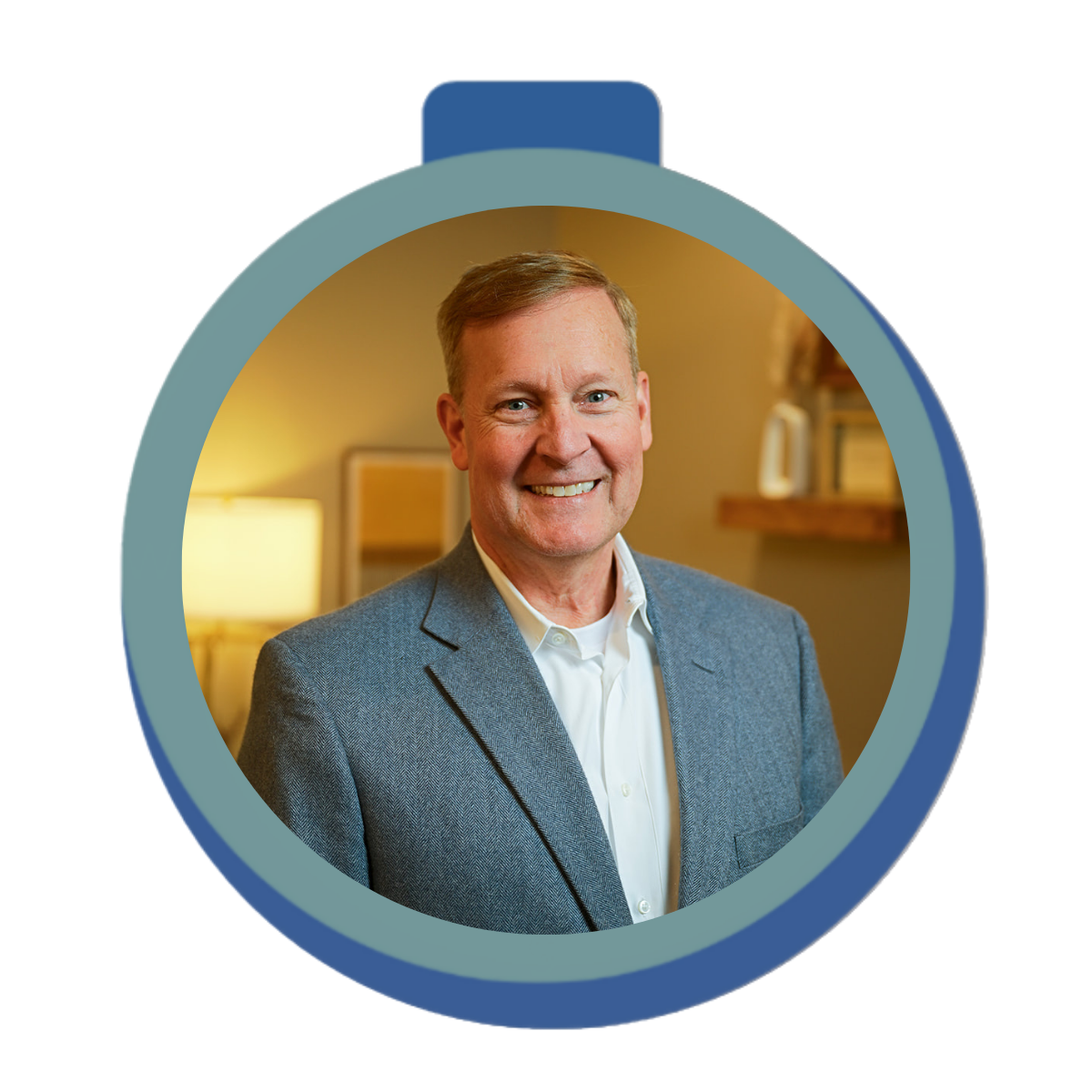
LPC-A, CCATP, CAMTP, EMDR-trained
Supervised by Dr. Crystal Collier License #13799
Meet Larry.
Hi there, I’m Larry. As a therapist, leader, life coach, and mentor, I’m honored that you’re here — it tells me you’re ready for something different.
Life can feel overwhelming, and it often moves far too fast. Trying to keep up can be exhausting.
That’s why I’ve built a practice that sees the whole you — not just your feelings, not just your relationships, but all of it together: your brain, your body, and your spirit.
Allow me to help you…
Cut through emotional and mental static
Reconnect to values and purpose
Develop your own internal and eternal compass
Strengthen resilience through skill-building and practical insight
Proud member of the following organizations:








Clarity’s Approach:
Integrated Wellness
At Clarity Integrated Wellness, we’re redefining what modern mental health care looks like. We equip individuals, families, and professionals with practical tools and insights that promote emotional resilience and lasting growth.
Our approach is built to elevate the standard of care through evidence-based, integrative practices that address the whole person — brain, body, and spirit. And above all, we empower every client to move forward with confidence, clarity, and a renewed sense of purpose.
When helpful, therapy at Clarity may include integrative tools such as biofeedback and EMDR, allowing work to happen not just through conversation, but through the brain and nervous system as well.
-
Neurofeedback is a way of showing your brain what it’s doing so it can learn to work better.
Sensors sit gently on your head (nothing goes into your body) and read your brain’s activity in real time. A computer then gives your brain feedback — usually through sounds or visuals — that tells it when it’s working in a healthier, more balanced way.Over time, your brain starts to recognize these patterns and naturally adjusts itself.
This helps your nervous system calm down, focus better, and regulate emotions more effectively, which can reduce symptoms like anxiety, trouble focusing, sleep issues, ADHD, PTSD, eating disorders, depression, and stress.Neurofeedback is backed by decades of neuroscience research and is grounded in our growing understanding of how the brain and nervous system function and adapt over time. According to Society for Neuroscience through their educational resource BrainFacts.org, the brain is constantly changing in response to experience—a concept known as neuroplasticity. Neurofeedback works by supporting this natural ability, helping the brain build healthier patterns through consistent, real-time feedback. Rather than forcing change, it allows the brain to learn, adapt, and regulate itself in a way that feels both sustainable and aligned with how the nervous system is designed to function.
If you’d like to understand more about Neurofeedback, what the process looks like, and whether it’s a good fit for you, we invite you to explore our Neurofeedback page for a deeper look.
-
EMDR (Eye Movement Desensitization and Reprocessing) is a structured, evidence-based therapy that helps your brain process difficult memories in a healthier way.
It works by using gentle back-and-forth stimulation—similar to what happens during REM sleep—while you focus on a specific experience. This allows your brain to reprocess what’s been “stuck,” reducing the emotional intensity and helping you move forward with greater clarity and calm.
Rather than forcing change or requiring you to relive every detail, EMDR supports your brain’s natural ability to heal so past experiences no longer feel like they’re happening in the present.
If you’d like to understand how EMDR works, what the process looks like, and whether it’s a good fit for you, we invite you to explore our EMDR page for a deeper look.
-
Biofeedback is a way of teaching your body how to calm itself down.
During a session, small sensors measure things like your heart rate, breathing, or muscle tension. These measurements show up on a screen so you can see how your body is responding to stress in real time.With guidance, you learn techniques (like breathing exercises or relaxation skills) that help you lower stress and bring your body back into balance. As you practice, your body becomes better at calming itself without needing the sensors.
In short:
Biofeedback helps you understand your body’s stress signals and trains you to control them — so you can feel calmer, more focused, and more in control.
What we believe.
At Clarity, we’re redefining what mental health care can look like by blending evidence-based therapy, neuroscience, and whole-body wellness with relational, real-world support.
Equip.
Providing tools and insight that create lasting emotional resilience.
Elevate.
Raising the standard of care with holistic, evidence-based support.
Empower.
Helping you move forward with clarity, confidence, and purpose.
Our guiding principles.
Integration: We treat your mental, physical, and neurological health as pieces to the whole YOU as they are all deeply connected.
Growth: We are founded on the belief that every person is capable of resilience, clarity, and meaningful change.
Connection: In therapy, healing happens through the creation of safe and trusting relationships. Leading to better connection with yourself, others, and the world.
Collaboration: We partner with psychiatrists, neurologists, nutritionists, functional medicine providers, and more to support your full wellness.
Clarity: By better understanding your inner world, you take the first step toward a well-rounded and meaningful life.
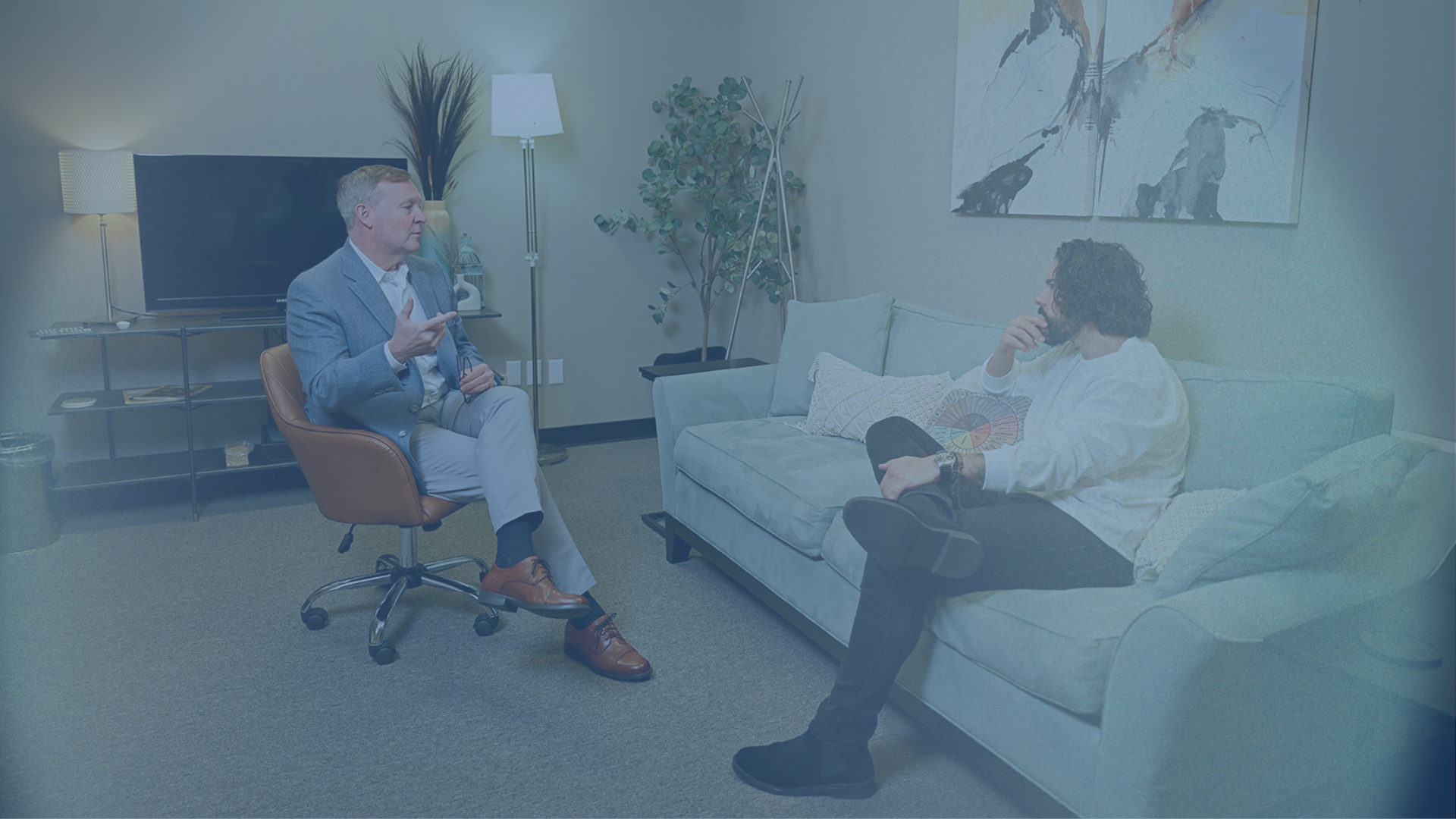
Who looks outside, dreams; who looks inside, awakes.
- Carl Jung
*Individual pictured is not an actual client.
C-Suite Counseling & Peak Performance
For professionals in high-pressure, high-stakes roles, Larry offers a premium counseling service designed specifically for leaders who carry more than most people realize.
This invitation-only support provides space for clarity, resilience, and grounded decision-making when the stakes are highest.
Frequently Asked Questions
-
Our pricing is an hourly rate as follows:
$225 for individual session
$150/per person for group session
$250 for couples’ session sliding scale available -
Eat a balanced meal
Protein and complex carbohydrates help maintain steady energy and support healthy brain chemistry.Stay hydrated
Proper hydration supports optimal brain function and overall regulation.Schedule earlier when possible
Morning or early afternoon sessions are often most effective when the brain is naturally more alert.Limit stimulants beforehand
Reducing caffeine or other stimulants can help your brain relax and respond more effectively to training.Prioritize sleep
Aim for 7–9 hours of rest before sessions to support learning, focus, and nervous system regulation.Practice relaxation beforehand
Gentle breathing, mindfulness, or meditation can help you arrive calm and focused.Be consistent
Regular sessions (often twice weekly) support the brain’s ability to adapt and improve over time.Set clear goals
Work with your practitioner to define specific, meaningful outcomes for your training.Track changes and progress
Notice patterns in mood, focus, sleep, or stress levels and share updates with your practitioner.Communicate openly
Sharing sensations, changes, stressors, or substance use helps tailor training to your needs.Consider therapy alongside training
Neurofeedback paired with psychotherapy can deepen insight and accelerate progress.
-
An EEG (electroencephalogram) is a non-invasive way to look at how your brain is functioning by measuring its electrical activity. Small sensors are placed on the scalp to read brainwave patterns in real time—nothing enters your body, and there is no pain involved.
-
If you need to cancel or reschedule any appointment, we require at least 24 hours’ notice. Cancellations made with less than 24 hours’ notice or missed sessions without notification will be charged the full session fee.
For neurofeedback or EEG appointments, missed sessions or cancellations with less than 24 hours’ notice will result in a $150 fee per 35-minute session.
-
Transcranial Photobiomodulation (PBM): aka red-light therapy, is a gentle, non-invasive therapy that uses targeted light to stimulate your brain’s natural healing processes. By delivering near-infrared light deep into the brain, PBM helps improve cellular energy, enhance neuroconnectivity, and reduce inflammation—supporting better mood, sharper thinking, and faster recovery.
-
A stand-alone PBM session typically takes about 25 minutes in a clinical setting, including setup and debriefing. The actual PBM treatment lasts up to 20 minutes, depending on your individualized protocol.
Resources and blog.

Therapy for Families: How Strengthening Connection Improves Everyone’s Mental Health

What Modern Therapy, Trauma-Informed Care and Neuroscience Can Learn from Ancient Martial Arts Practices