Larry’s Library
A curated collection of books that support clarity, healing, and growth.


“I hope you enjoy my ever-growing list of book recommendations that have helped shape how I think about stress, trauma, relationships, grief, and the healing process.
Whether you’re looking for practical tools, a fresh perspective, or simply something that helps you feel less alone, I hope you find a title here that meets you right where you are.”
-Larry Lawyer

Not sure where to start?
Check out some of my favorites!
Note: These recommendations are educational and supportive, and they’re not a substitute for therapy or medical care.
Grief, Death &
End-of-Life Wisdom
-
In his bestselling books, Atul Gawande, a practicing surgeon, has fearlessly revealed the struggles of his profession. Here he examines its ultimate limitations and failures―in his own practices as well as others'―as life draws to a close. Riveting, honest, and humane, Being Mortal shows how the ultimate goal is not a good death but a good life―all the way to the very end.
-
What makes life worth living in the face of death? What do you do when the future, no longer a ladder toward your goals in life, flattens out into a perpetual present? What does it mean to have a child, to nurture a new life as another fades away? These are some of the questions Kalanithi wrestles with in this profoundly moving, exquisitely observed memoir.
-
In this remarkable book, Dr. Kübler-Ross first explored the now-famous five stages of death: denial and isolation, anger, bargaining, depression, and acceptance. Through sample interviews and conversations, she gives readers a better understanding of how imminent death affects the patient, the professionals who serve that patient, and the patient's family, bringing hope to all who are involved.
-
Coming to terms with our own finiteness helps us discover life's true meaning. So why do we treat death as a taboo? What are the sources of our fears? How do we express our grief, and how do we accept the death of a person close to us? How can we prepare for our own death?
Drawing on our own and other cultures' views of death and dying, Elisabeth Kübler-Ross, MD, provides some illuminating answers to these and other questions. -
In this moving and compassionate classic - now updated with new material from the authors - hospice nurses Maggie Callanan and Patricia Kelley share their intimate experiences with patients at the end of life, drawn from more than twenty years' experience tending the terminally ill.
Through their stories we come to appreciate the near-miraculous ways in which the dying communicate their needs, reveal their feelings, and even choreograph their own final moments; we also discover the gifts - of wisdom, faith, and love - that the dying leave for the living to share.
-
From supporting a husband or wife faced with the loss of a spouse to helping a dying mother prepare her children to carry on without her, Callanan’s poignant stories illustrate new ways to meet the physical, emotional, and spiritual challenges of this difficult and precious time. She brings welcome clarity to medical and ethical concerns, explaining what to expect at every stage.
-
In Finding Meaning, Kessler shares the insights, collective wisdom, and powerful tools that will help those experiencing loss.
-
This book is about navigating those last days, at the bedside, and saying farewell with hope, love, and compassion.
-
A sensitive, long-overdue source of guidance for people coping with the death of a parent. Myers offers solace and information needed to make the experience less stressful and exhausting, without reducing the emotional complexity and reality of death.
-
Expert guidance, effective healing exercises and experience from others who have lost a parent.
-
Mourning and remembrance. In the chapters of this soul-touching book, mourners find meaning and wisdom in grieving and the love that always remains.
Inside this comforting and insightful book find:
Help with the pain of losing a loved one
Assistance in understanding the grieving process
Comfort and support while learning how to move on
-
This workbook offers a range of activities—including journaling, guided meditations, and hands-on reflections—to deepen understanding and foster meaningful insights.
-
Through practical exercises—guided meditations, journaling, and hands-on reflection—this book helps you understand your grief and shows you how to reconnect with love and joy.
Anxiety, Depression & Emotional Regulation
-
If you suffer from depression, this book offers an engaging and informative look at the neuroscience behind our emotions, thoughts, and actions.
Small steps in the right direction can have profound effects―giving you the power to become your best self as you literally reshape your brain, one small change at a time.
-
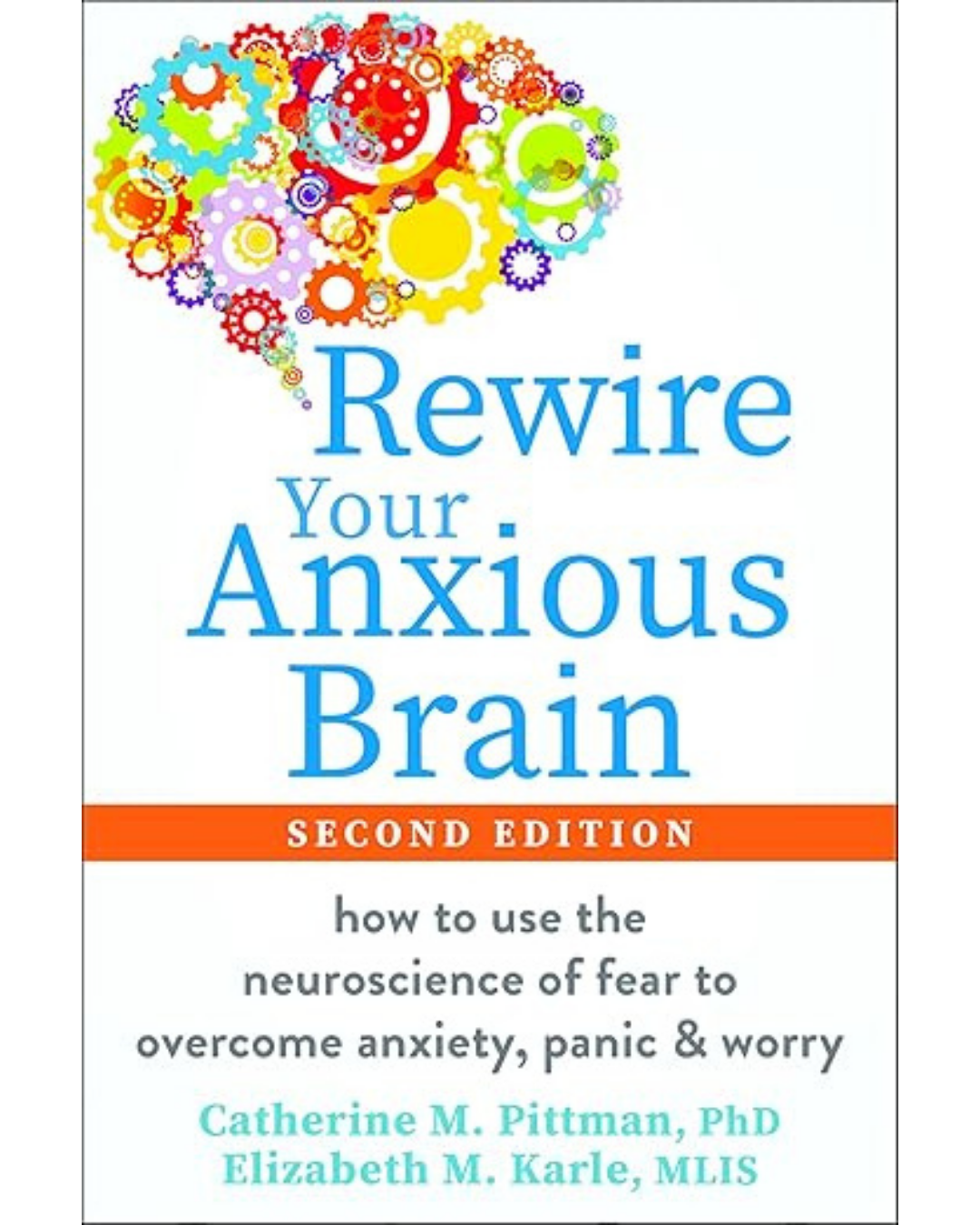
In the book, Pittman and Karle provide specific examples of how to manage fear by tapping into both of these pathways in the brain. You’ll gain a greater understanding of how anxiety is created in the brain, and as a result, you will feel empowered and motivated to overcome it.
-
Through the use of unconventional strategies, readers will learn how to confront anxiety head-on and step forward into the face of threat.
-
If you have unwanted thoughts, you should remember that you aren’t alone. In fact, there are millions of people just like you—good people who have awful thoughts, gentle people with violent thoughts, and sane people with “crazy” thoughts. This book will show you how to move past your thoughts so you can reclaim your life!
-
In The Anatomy of Anxiety, holistic psychiatrist Dr. Ellen Vora offers nothing less than a paradigm shift in our understanding of anxiety and mental health, suggesting that anxiety is not simply a brain disorder but a whole-body condition.
-
Dr. Sears provides detailed explanations, case examples, and practical worksheets to show how to work with anxiety instead of trying to battle against it. Using cutting-edge techniques and principles, clinicians will learn tools to transform anxiety and create a richer and more fulfilling life for their clients.
-
In Can't Stop Thinking, psychotherapist and spiritual counselor Nancy Colier offers the key to breaking free from the repetitive and obsessive thinking that is causing your stress, anxiety, worry, and unhappiness: Change your relationship with your thoughts.
-
Created by anxiety expert Dr. Elena Welsh, The Panic Deck contains proven therapeutic tools to reduce panic. Now you can use the same tools Dr. Welsh developed and used in her therapy room to help her clients eliminate panic and fear.
-
Worry, doubt, confusion, depression, anger, and feelings of condemnation: all of these are attacks on the mind. If you suffer from negative thoughts, take heart! Joyce Meyer has helped millions win these all-important battles.
-
Through its captivating visual storytelling, this illustrated therapeutic tool translates complex ideas about parts work into language that is simple and intuitive for anyone to understand.
-
In this dynamic guide, Dr. Amy Marschall, an expert in ADHD and neurodiversity, offers a new perspective that centers clients’ lived experience of ADHD, empowering those with differently wired brains to thrive in a world that wasn’t designed for them.
-
Highly effective for clients dealing with trauma and stress disorders, somatic psychotherapy is the future of healing the entire person, body, and mind.
-
Our bodies hold our trauma, but they also hold the key to healing from it. By working with clients to tap into the body’s first language—movement—you can help them access what is held in the body so they can move with and beyond their trauma stories.
-
The CBT Toolbox is a go-to resource for addressing unhelpful thinking patterns and implementing practical, proven, action steps to achieve goals and live life more intentionally.
Anxiety, Depression & Emotional Regulation – Adolescents & Kids
-
Using four easy-to-remember tools--a pause button, a focus flashlight, an OK monitor, and a compass--tweens will learn how to create a NowMap, a snapshot of their present-moment experience, so they can navigate all of life's moments with confidence and kindness.
-
Kids ages 3–6 will love this beautifully illustrated choose-your-own-adventure book that whisks them off to distant lands—including a jungle, a desert, and a pirate ship—as they learn about their thoughts, feelings, and sensory experiences.
-
Written by two psychologists with decades of experience working with kids, families and mindfulness, these fun, easy-to-learn and creative activities are awesome for all school-aged kids, whether they are newbies to mindfulness or not!
-
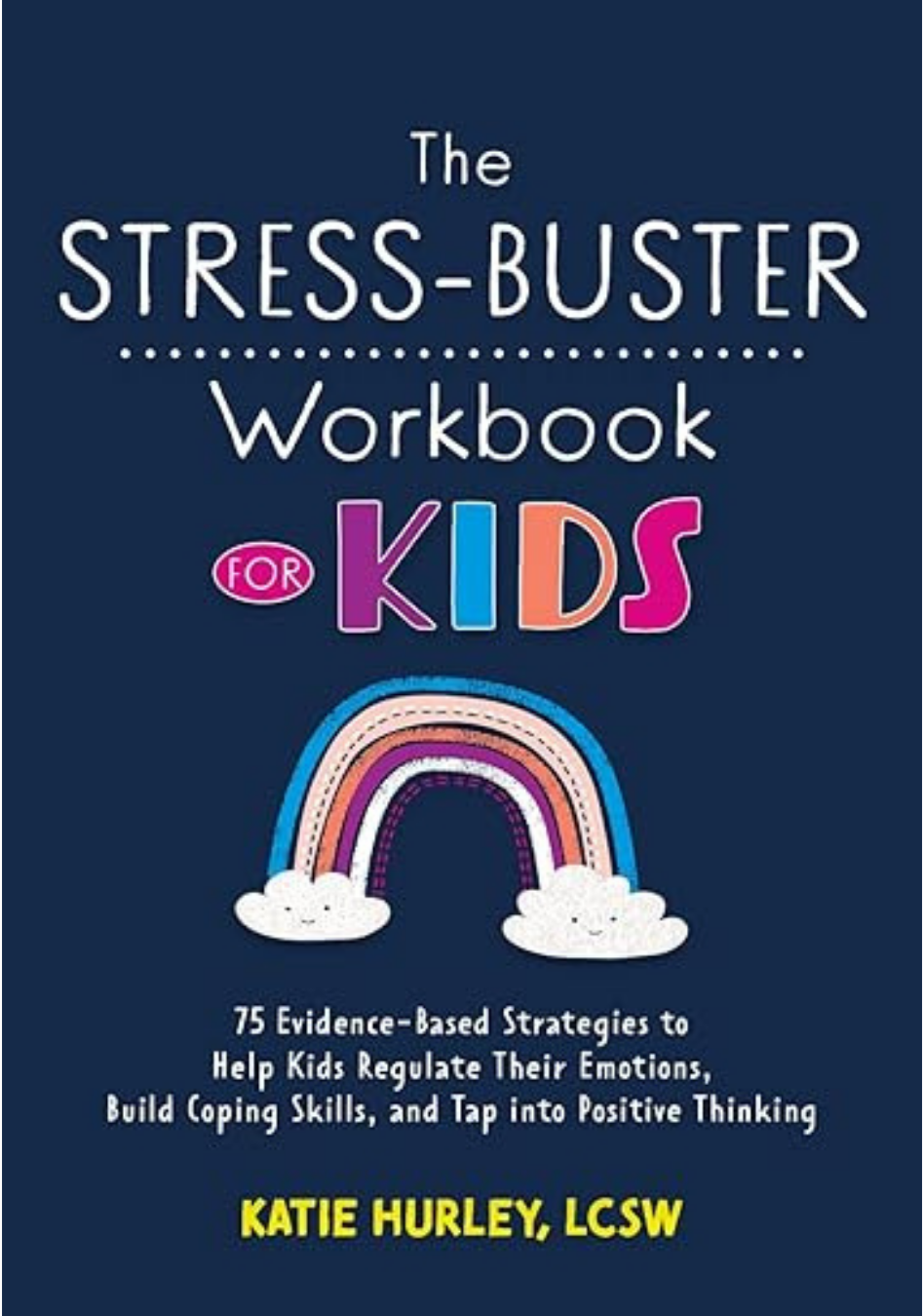
Designed to offer a myriad of stress-busting solutions―as every kid is different and needs different tools that work for them―this book is an ideal resource for parents, teachers, therapists, and any other professionals working with kids ages 4–11.
-
In this fun and delightfully charming book, your child will follow a gender-neutral character through an easy-to-understand, step-by-step mindfulness practice.
-
A colorful and delightful story for the classroom, at bedtime or whenever your child needs a mindful reminder to be a calm, cool kid.
-
“Miss A” then introduces Dibs and us to her special playroom, where children can be just exactly who they truly are. The room is not magical, but the relationship between therapist and child is.
Neuroscience, Mind & Human Behavior
-
Moving across a range of disciplines, Sapolsky—a neuroscientist and primatologist—uncovers the hidden story of our actions.
-
In How Emotions Are Made, psychologist and neuroscientist Lisa Feldman Barrett challenges what we think we know about emotions. She explains that emotions aren’t hard-wired or the same for everyone—they’re experiences we build based on our past, our bodies, and our environment. In other words, how we feel is shaped by our unique life experiences, not a preset emotional system.
-
In Subliminal, Leonard Mlodinow employs his signature concise, accessible explanations of the most obscure scientific subjects to unravel the complexities of the subliminal mind.
-
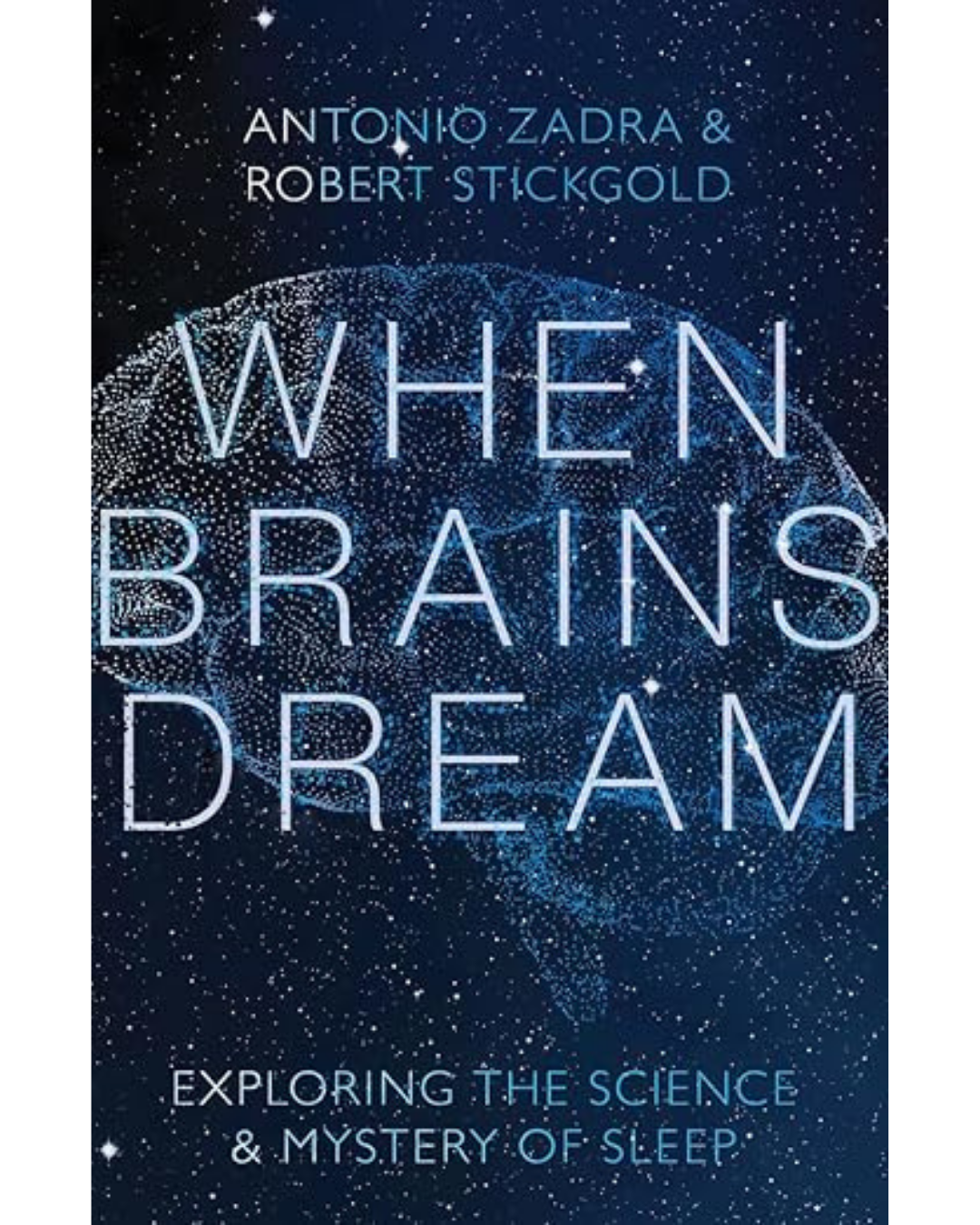
When Brains Dream breaks down what scientists are learning about the sleeping brain and why dreams actually matter. It explores how dreams connect to our mental and neurological health, looks at common dream-related disorders, and shows how dreaming can spark creativity and offer real personal insight.
-
The good news? There’s nothing wrong with you—your brain isn’t broken. It’s actually designed to get distracted.
The even better news? With the right tools, you can train your brain to focus better. -
The handbook examines philosophical and historical approaches to the study of happy lives and good societies, and it critically looks at conceptual controversies related to eudaimonia and well-being.
Addiction
-
Fisher suggests that only by confronting our history with addiction can we begin to create a path forward for those still impacted by it.
Sex Addiction
-
What sets Mending a Shattered Heart apart is the encouragement and hope it offers to partners of those struggling with sex addiction. It highlights the seriousness of the issue while also showing that healing is possible—with meaningful effort from both individuals involved.
Trauma, PTSD & Deep Healing
-
Based on Dr. van der Kolk’s own research and that of other leading specialists, The Body Keeps the Score exposes the tremendous power of our relationships both to hurt and to heal—and offers new hope for reclaiming lives.
-
Dr. Schwartz’s Internal Family Systems (IFS) model has been transforming psychology for decades. With No Bad Parts, you’ll learn why IFS has been so effective in areas such as trauma recovery, addiction therapy, and depression treatment―and how this new understanding of consciousness has the potential to radically change our lives.
-
Whether we've experienced small setbacks or major traumas, we are all influenced by memories and experiences we may not remember or don't fully understand. Getting Past Your Past offers practical procedures that demystify the human condition and empower listeners looking to achieve real change.
-
It Didn’t Start With You is a transformative approach to resolving longstanding difficulties that in many cases, traditional therapy, drugs, or other interventions have not had the capacity to touch.
-
This training manual for patients who have a trauma-related dissociative disorder includes short educational pieces, homework sheets, and exercises that address ways in which dissociation interferes with essential emotional and life skills, and support inner communication and collaboration with dissociative parts of the personality.
-
You Empowered can help you take that next step on your journey toward a happy, productive and fulfilling life.
-
Through relatable stories, scriptural truth, and practical tools, you’ll learn how trauma affects your brain, your identity, and your spiritual life—and how God can heal it all from the inside out.
You’ll discover how to:
- Identify the hidden roots of emotional and relational struggles
- Confront and grieve past wounds in a safe, structured way
- Replace toxic beliefs with biblical truth
- Reconnect with your authentic self, others, and God
- Break cycles of survival behavior and live in freedom -
Whether you’re working with parents, teachers, school counselors, grandparents, or any other grown-ups who feel exhausted and confused by a child’s behavior, this book will support them in becoming the regulated, safe, and steady presence that every child needs.
-
From tantrums and defiance to self-injury and withdrawal, even the most skilled professionals find themselves focused on extinguishing the troubling behavior rather than stepping back to ask: What is the underlying emotional need?
-
By integrating IFS therapy into EMDR, which enhances your ability to target symptoms in a more attuned and scaffolded way.
That is what you’ll learn to do in this step-by-step guide, which is intended not only for EMDR and IFS clinicians, but for any provider who serves clients with a trauma history.
Relationships, Attachment & Boundaries
-
Attached guides listeners in determining what attachment style they and their mate (or potential mates) follow. It also offers a wealth of advice on how to navigate relationships more wisely, given a listener's attachment style and that of his or her partner.
-
Become the most connected couple you know with this revolutionary guide, combining behavioral science, depth psychology, social learning theory, Gestalt therapy, and interpersonal neuroscience to help you and your partner recapture joy, enhance closeness, and experience the reward of a deeply fulfilling relationship.
-
Gottman offers strategies and resources to help couples collaborate more effectively to resolve any problem, whether dealing with issues related to sex, money, religion, work, family, or anything else.
-
The High-Conflict Couple adapts the powerful techniques of dialectical behavior therapy (DBT) into skills you can use to tame out-of-control emotions that flare up in your relationship.
-
Drs. Henry Cloud and John Townsend help you learn when to say yes and know how to say no in order to take control of your life and set healthy, biblical boundaries with your spouse, children, friends, parents, co-workers, and even yourself.
-
With instructive life stories, personal reflections, exercises, and self-help tests, Codependent No More has helped countless readers change their codependent behaviors and understand that they are powerless to change anyone but themselves.
-
Central to Mellody's approach is the concept that the codependent adult's injured inner child needs healing. Recovery from codependence, therefore, involves clearing up the toxic emotions left over from these painful childhood experiences. Unlearning behavioral patterns and easing the grip of trauma takes time and effort, but right here, right now, is where you start.
-
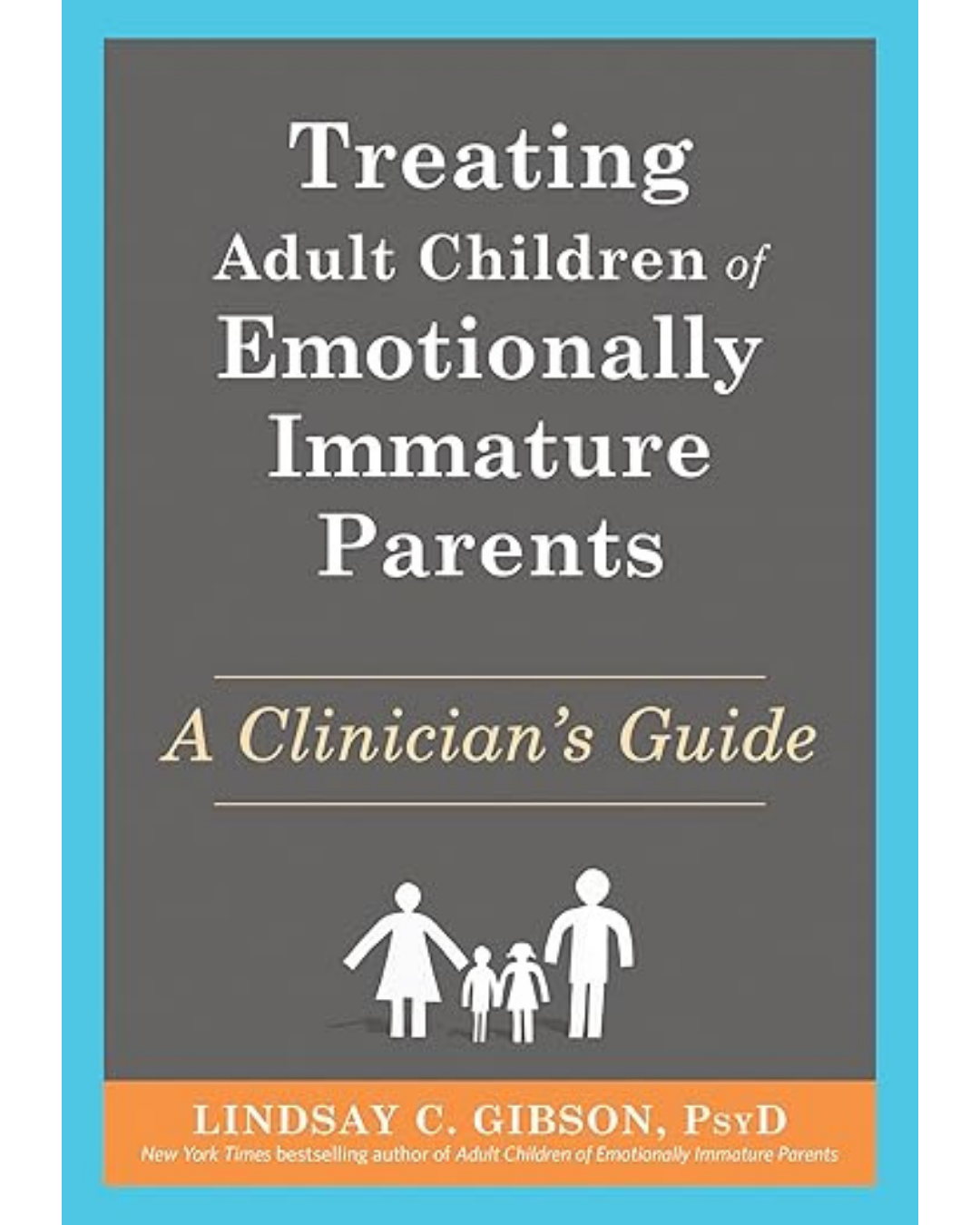
By freeing yourself from your parents’ emotional immaturity, you can recover your true nature, control how you react to them, and avoid disappointment. Finally, you’ll learn how to create positive, new relationships so you can build a better life.
-
No family is flawless, but this doesn't mean you should simply ignore your gut feelings or write off the people you care about. Your relationship with them can be saved. All you need are a few tools to create a safe and healthy environment, which starts with defining realistic boundaries.
-
You can be in a relationship with a covert narcissist that can last for decades and not realize you are being psychologically and emotionally controlled, manipulated, and abused. There are no visible scars with this form of abuse, and you are usually the only one that experiences their destructive and psychologically debilitating behavior.
-
Within a few pages, you'll realize how much energy and time you've been wasting trying to control the wrong things—at work, in relationships, and in pursuing your goals—and how this is keeping you from the happiness and success you deserve.
-
In The Peacemaker, Ken Sande presents a comprehensive and practical theology for conflict resolution designed to bring about not only a cease-fire but also unity and harmony.
Personal Growth, Meaning & Self-Leadership
-
Hailed as “an enduring work of survival literature” by the New York Times, Viktor Frankl’s account of his time in the Nazi concentration camps—and his insights into our ability to find meaning despite great adversity—has offered solace and guidance to generations of readers since it was first published in 1946.
-
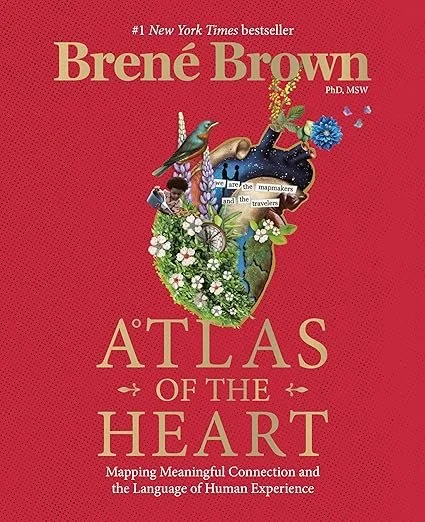
In Atlas of the Heart, Brown takes us on a journey through eighty-seven of the emotions and experiences that define what it means to be human.
-
To scale our mountains, we actually have to do the deep internal work of excavating trauma, building resilience, and adjusting how we show up for the climb. In the end, it is not the mountain we master, but ourselves.
-
Legendary psychologist Mihaly Csikszentmihalyi's famous investigations of "optimal experience" have revealed that what makes an experience genuinely satisfying is a state of consciousness called flow.
-
Among Grit’s most valuable insights: any effort you make ultimately counts twice toward your goal; grit can be learned, regardless of IQ or circumstances.
-
At its core, The Power of Habit contains an exhilarating argument: The key to exercising regularly, losing weight, being more productive, and achieving success is understanding how habits work.
-
Wise, empowering, and profoundly liberating, this book is a life-changing experience that shows you a path to lasting happiness and how to finally be the person you truly want to be.
-
This is a vital playbook for everyone from senior leaders developing and executing complex strategies to Gen Z-ers entering and navigating turbulent work environments. It is also an unflinching assessment of what happens when we continue to perpetuate the falsehood that performance and wholeheartedness are mutually exclusive.
-
Learning to love yourself involves embracing your worth, practicing self-compassion, and nurturing a positive relationship with yourself.
-
In his revelatory yet utterly practical new book, Bob takes you on a life-proven journey to rediscover your dreams and turn them into reality.
-
As Annie has experienced firsthand, life starts on the other side of the bottle. It becomes a joyful discovery of who you really are and what you really want.
-
Embrace the growth paradox to get unstuck and grow your company to the next level. By leaning into some key, counterintuitive business ideas, you’ll make space for changes that will lead to nonlinear growth.
-
In expert yet vibrant modern language, Hall lays out the crux of Aristotle's thinking, mixing affecting autobiographical anecdotes with a deep wealth of classical learning.
-
In What It Is Like to Go to War, Marlantes takes a deeply personal and candid look at the experience and ordeal of combat, critically examining how we might better prepare our young soldiers for war.
Faith, Spirituality & Meaning-Making
-
Consider the Lilies is for those who long for liberation from their anxiety and fear--and desire to deeply know the God they are called and enabled to trust.
-
As a Christian leader, your calling is to serve people—not yourself. That means following the example of Jesus in how you lead and live.
-
This comprehensive collection offers ready-made short pastoral liturgies for hundreds of occasions, as well as consecrations for items set apart for holy use.
-
Now, in 32 short, easy-to-read chapters, Stormie shares how you can pray through each stage of your child's life, from early childhood to adulthood.
-
In The Power of a Praying® Husband, you'll find the excitement and hope that come from inviting the God who hears and answers prayer into your marriage.
-
Today's challenges can make a fulfilling marriage seem like an impossible dream. Yet God delights in doing the impossible if only we would ask! Stormie Omartian shares how God can strengthen your marriage as you pray for your husband concerning key areas in his life.
-
Designed to be read in 42 days, each chapter provides a daily meditation and practical steps to help you discover and live out your purpose.
-
John Piper aims to help us find joy in Jesus that is so deep and so strong that it frees us from bondage to comfort and security, and impels us to live merciful and missional lives.
-
When love does, life gets interesting. Light and fun, unique and profound, the lessons drawn from Bob's life and attitude in this collection of stories just might inspire you to be secretly incredible, too.
-
As a little boy with a big personality and even bigger dreams, Bob Goff had lots of questions, and they didn't go away when he grew up. It wasn’t until he learned just how big and wild and wonderful God is that he began to find answers.