High Functioning, Still Struggling: When Success Masks Chronic Stress

On the outside, you look like you’re doing great. You’re productive. Reliable. Successful. People trust you. Depend on you. Come to you for answers.
But on the inside, something feels off.
Your mind never really shuts down. Your body stays tense, even when you’re resting. You’re tired, but wired. Accomplished, yet unsettled.
This is what high-functioning chronic stress often looks like. And it’s far more common than most people realize.
When Success Hides Stress
High-functioning stress doesn’t always look like panic attacks or breakdowns… it often looks like achievement.
You meet deadlines; you show up, and you push through. You tell yourself, “I’ll slow down later.” But later never comes.
Instead, stress becomes your baseline. Your nervous system stays on high alert, and your body adapts to constant pressure, even when there’s no immediate threat.
Over time, this kind of stress affects your mood, your sleep, your focus, your health, and your relationships. And because you’re still functioning, it can be easy to ignore.
The Cost of Chronic Stress on Your Body and Brain
As much as stress appears to be a mental battle, it actually is a full-body response.
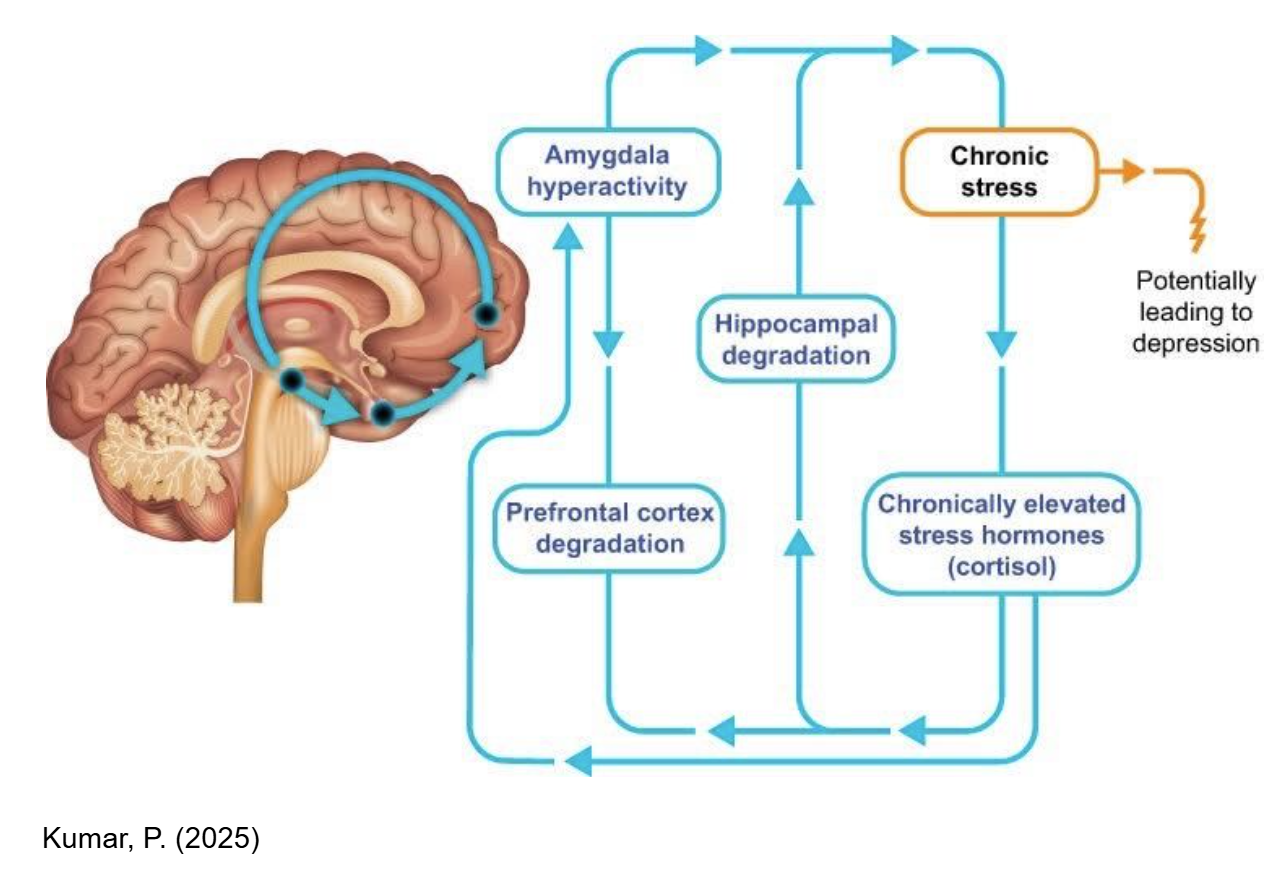
When stress is constant, your body releases stress hormones over and over again.
Your heart works harder. Your muscles stay tight. Your immune system weakens. Your brain also changes.
You may notice certain things in your body like:
Racing thoughts or overthinking
Difficulty relaxing or being present
Irritability or emotional numbness
Trouble sleeping or waking up exhausted
A constant feeling of pressure, even during “down time”
You might tell yourself you’re just tired or busy, or just wired this way. But long-term stress isn’t harmless, and it can quietly wear you down.
Productivity can become a coping strategy.
For many high performers, productivity becomes a way to manage stress.
Staying busy helps you avoid uncomfortable feelings as achievement gives temporary relief. Control feels safer than slowing down.
But when productivity becomes your only coping tool, it turns into another source of pressure.
You don’t rest because rest feels unproductive, or you don’t ask for help because you “should be able to handle it.” You don’t slow down because everything feels urgent.
Over time, this cycle leads to burnout, anxiety, and disconnection from yourself.
Why High-Functioning Stress is Hard To Spot
You might not feel like you “deserve” support. After all, things are going well on paper.
But struggling isn’t a competition, and you don’t have to fall apart to need help.
Many professionals live with chronic stress for years before they realize how much it’s costing them. By the time they seek support, their body is already exhausted.
Listening to yourself and your body earlier can make a huge difference.
A Whole-Person Approach to Healing
At Clarity Integrated Wellness, we focus on understanding how your brain, body, and inner world work together, rather than just symptom management.
Stress lives in your nervous system, not just your thoughts. That’s why real change requires more than willpower.
An integrated approach may include things like:
Therapy to understand patterns and pressures
Brain-based strategies to calm your nervous system
Practical tools to manage stress in real life
Support that fits the reality of high-responsibility roles
The goal is to help you function well without sacrificing yourself.
You don’t have to wait until you’re burned out.
You can be successful and still need support. You can be capable and still feel overwhelmed. You can function highly and still struggle.
Healing means learning how to live life from a steadier place.
If you’re tired of carrying stress alone, it may be time to pause, take a breath, and look at what your mind and body have been trying to tell you all along.
Clarity starts there.
