What Modern Therapy, Trauma-Informed Care and Neuroscience Can Learn from Ancient Martial Arts Practices
Modern therapy has come a long way.
We understand trauma better. We know more about the brain, the nervous system, and how stress lives in the body.
And yet, some of the most effective principles of healing aren’t new at all.
They’ve existed for centuries.
Ancient martial arts traditions understood something modern science is now confirming: healing happens through the body, not just the mind.
Healing is both science and art
In modern mental health care, we often separate thinking from doing… Mind from body and insight from action.
But healing doesn’t work that way.
Trauma-informed care and neuroscience now show what martial arts have practiced for generations: regulation comes from repetition, presence, and embodied awareness.
You don’t heal by talking about safety alone. You heal by experiencing it.
Ancient martial arts were never just about fighting. They were about discipline, breath, posture, emotional control, and focus. These practices trained the nervous system long before we had language for it.
The Nervous System Learns Through the Body
You might think that your trauma primarily lives in your memories, but the truth is that trauma lives in the nervous system also.
When you’ve been under chronic stress or trauma, your body learns to stay alert. Muscles tense. Breathing shortens. Your brain scans for threat, even when you’re safe.
Martial arts training works directly with this system.
Through structured movement, controlled breathing, and focused attention, the body learns a new pattern. One of steadiness instead of reactivity. Presence instead of panic.
Modern neuroscience now confirms this. Repetitive, intentional movement helps retrain the brain. It strengthens regulation, improves emotional control, and increases resilience.
In other words, the body teaches the brain that it’s safe again.
Discipline builds safety.
In our language today, the word discipline can feel harsh. But true discipline is about consistency not punishment.
The martial arts emphasize showing up. Practicing fundamentals. Respecting structure. This creates predictability, and predictability creates safety.
For people healing from trauma, safety is everything.
Trauma-informed care emphasizes choice, empowerment, and regulation. Martial arts reflect this through gradual skill-building and respect for limits. You move at a pace your body can handle. You learn control before power.
This balance of structure and compassion mirrors what effective therapy aims to do.
Presence over performance.
Ancient martial arts were about awareness.
Being present in your body: noticing breath and staying grounded under pressure.
This is the same goal of mindfulness-based therapy and nervous system regulation work today.
When you learn to stay present during physical challenges, that skill transfers. You’re better able to stay grounded in difficult conversations. Like in parenting moments or under stress at work.
Presence becomes a way of living.
Emotional regulation can be trained.
You can’t think your way out of a dysregulated nervous system. Trauma creates a chronic inability to co-regulate. It is always accompanied by a shift in the autonomic arousal, distorts social awareness, displaces social engagement behavior with defensive reactions, fight/flight or immobilization (dissociation), and interferes with healthy reciprocal co-regulation and genuine mutuality (van der Kolk, 2025).
Martial arts don’t demand emotional control through suppression. They train it through experience. You learn to notice activation. Slow your breath. Adjust posture. Stay balanced.
Over time, emotional regulation becomes embodied.
This aligns with modern trauma therapy approaches that focus on bottom-up healing.
The body leads. The mind follows.
Integrating Ancient Wisdom with Modern Therapy
At Clarity Integrated Wellness, healing is approached as both science and art.
Evidence-based therapy, neuroscience, and trauma-informed care are essential. But so is lived experience. So is understanding discipline, resilience, and embodied focus.
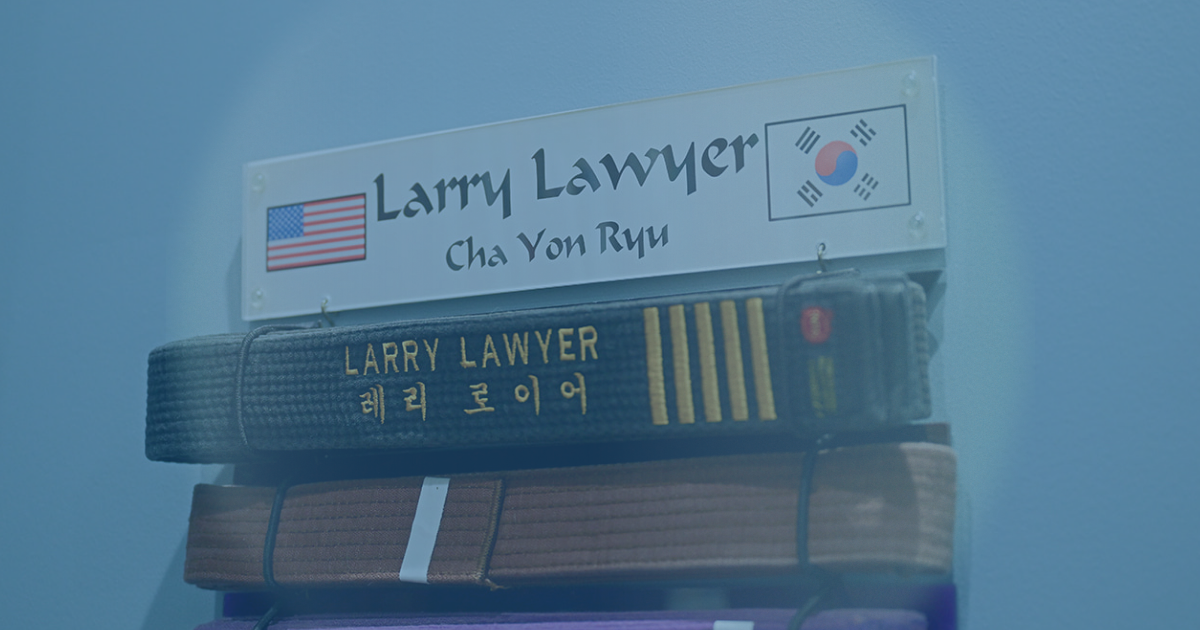
Decades of leadership and martial arts training teach lessons therapy alone can’t fully explain. How to stay steady under pressure. How to balance strength with compassion. How to show up consistently, even when it’s uncomfortable.
Healing that teaches integration more than insight.
When modern therapy listens to ancient wisdom, something powerful happens. Healing becomes grounded, sustainable, and whole.
And then you’ll feel better AND live better.
