
EMDR Therapy
Helping your brain process what it couldn’t before.
A Structured Approach to Processing Unresolved Experiences.
Sometimes, even when you know something is in the past, it doesn’t feel that way.
Memories, emotions, and physical responses can stay “stuck,” causing you to react as if the experience is still happening. EMDR (Eye Movement Desensitization and Reprocessing) is designed to help your brain process those experiences in a way that allows real resolution. Not just temporary relief.
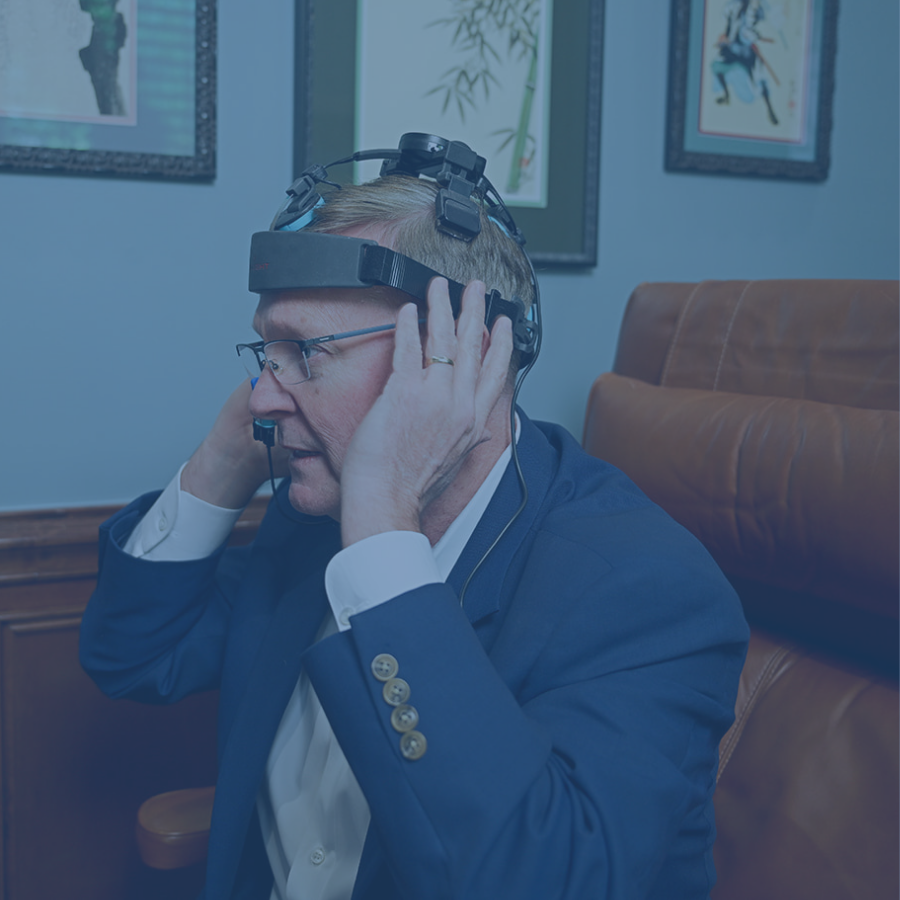
What Is EMDR?
EMDR is a structured, evidence-based therapy that helps your brain process difficult memories the same way it naturally does during sleep.
During REM sleep—the stage where your eyes move back and forth—your brain sorts through emotions, memories, and experiences from the day. EMDR uses a similar process while you are awake and supported in a safe environment.
Through gentle, back-and-forth stimulation (often guided eye movements), your brain is able to reprocess experiences that may have been overwhelming at the time they occurred.
This allows the memory to be stored in a more organized, less distressing way.
How EMDR Helps
This feedback signals to your brain when it is shifting toward a more balanced and regulated state. In many cases, for example, a video may play more smoothly or clearly when your brain is operating in a healthier pattern, and pause or dim when it is not. Your brain naturally begins to recognize these patterns and adjusts without conscious effort.
Over time, the brain learns to spend more time in these regulated states.

A Natural Healing Process
EMDR helps restore your natural communication system, allowing the brain to process the experience and return to a more regulated state.

EMDR Therapy FAQ’s
-
EMDR is widely used and researched, and has been shown to be effective for:
Trauma and PTSD
Anxiety and panic
Depression
OCD
Chronic stress
Addictions
Chronic pain
Distressing life experiences
Rather than focusing only on symptoms, EMDR addresses the root of how experiences are stored in the brain.
-
At Clarity, EMDR is not rushed or formulaic. It is a guided process that respects your experience while helping your brain move toward resolution.
-
EMDR may be a good fit if you feel:
Stuck in patterns you can’t seem to move past
Overwhelmed by certain memories or emotions
Triggered in ways that don’t fully make sense
Frustrated by trying to “think your way through” something that still feels unresolved
It is also helpful for those who want to process experiences without having to talk through every detail.
What the EMDR Process Looks Like
EMDR is structured, intentional, and tailored to each individual.
During a session:
You will focus on a specific memory, thought, or experience
At the same time, you will follow guided bilateral stimulation (such as eye movements)
This creates “dual attention”—your brain processes the memory while staying grounded in the present
You are always in control of the pace, and you do not have to go into detail beyond what feels comfortable Over time, your brain begins to reorganize the experience in a healthier way.
EMDR therapy typically follows an eight-phase process, which includes preparation, processing, and integration to ensure the work is both effective and stable.
Sessions usually last between 60–90 minutes.

EMDR is not about revisiting the past. It’s about helping the brain reprocess it so it no longer defines the present.
- Larry Lawyer
Take the Next Step Toward Clarity
You don’t have to stay stuck in the same patterns.
EMDR offers a way for your brain to process what it couldn’t before—so you can move forward with more clarity, calm, and control.
If you’re ready to explore whether EMDR is right for you,
we invite you to sit down and have a conversation.